Leave Before They Ask: The Quiet Sales Discipline Reshaping American Client Relationships
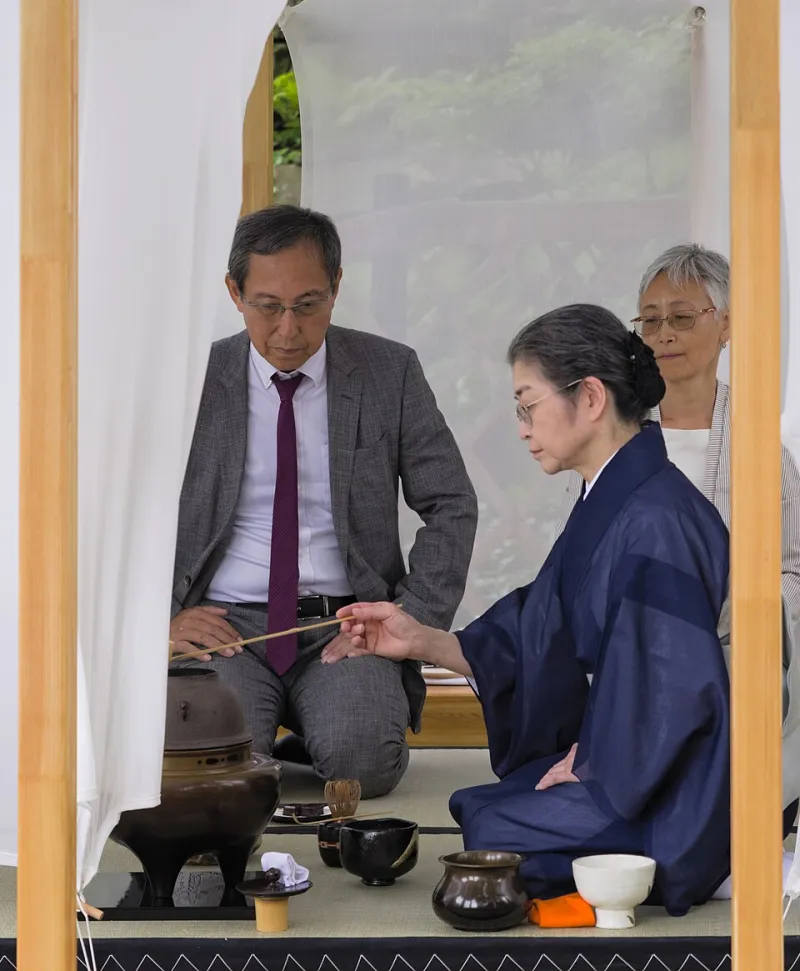
Photo: D-Kuru, CC BY-SA 4.0, via Wikimedia Commons
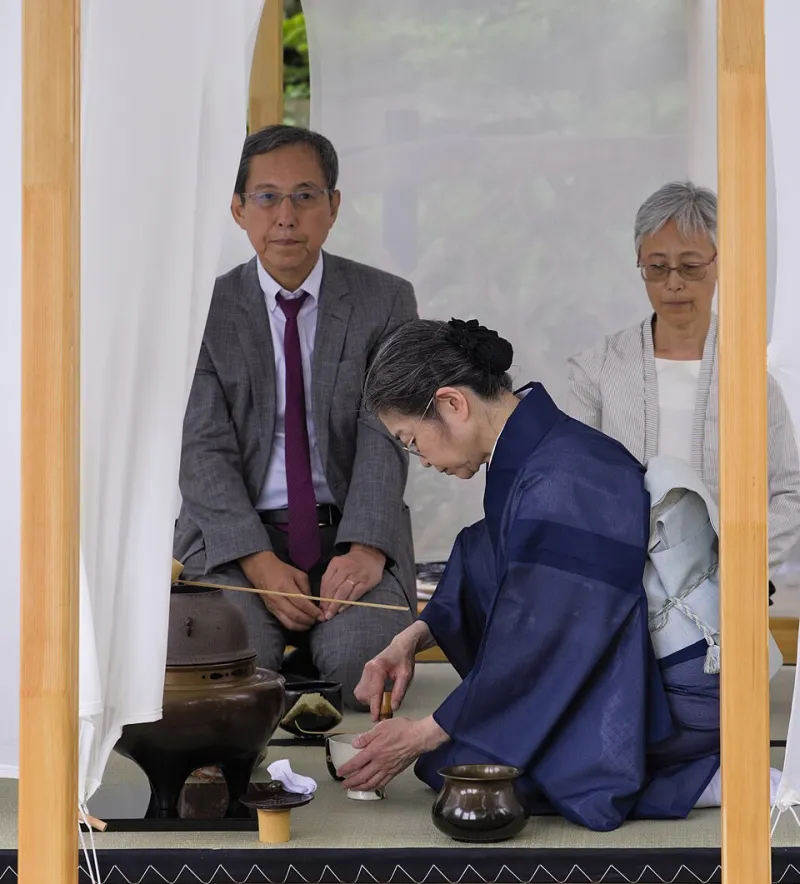
There is a rule in Japanese hospitality that rarely appears in any manual: never let the guest ask for the bill. In the finest ryokan and the most exacting tea houses, the host ends the experience a beat before the guest would — the third cup of tea is offered, but the fourth is not poured. The guest leaves wanting slightly less than everything, and that small, deliberate incompleteness is what brings them back.
American sales culture has spent decades teaching the opposite instinct. The close is the trophy. The follow-up sequence is endless. The upsell is a metric on a dashboard. Yet a quiet countercurrent is forming among the country's most effective salespeople, and it looks remarkably like that third cup rule: know when the interaction is complete, and end it before anyone has to say so.
The Tyranny of the Second Meeting
Ask any seasoned buyer in Chicago or Dallas what exhausts them about modern vendor relationships, and the answer is rarely the product. It is the persistence. The calendar invites that keep arriving. The "just circling back" emails that circle indefinitely. The discovery call that, having accomplished its purpose, refuses to acknowledge it.
This behavior stems from a reasonable-sounding premise — that attention compounds into revenue — but it mistakes presence for progress. A salesperson who stays fifteen minutes past the natural end of a conversation is not adding value; they are spending it. Every unnecessary minute teaches the client that this person's interests and theirs are not the same.
Restraint as a Strategy, Not a Manner
The discipline of leaving early is often filed under etiquette, which undersells it. It is fundamentally a strategic position. When a salesperson ends a meeting at the moment of highest energy — after the real problem has been named, before the proposal has been pitched to death — the client leaves with unfinished business in their own mind. The pitch continues without the pitcher.
Japanese business culture formalizes this through concepts like ma, the productive space between things, and through the hosting instinct that a guest's comfort outranks the host's agenda. Translated into an American sales context, it produces a counterintuitive playbook: fewer touches, shorter meetings, a proposal delivered once rather than re-litigated weekly, and a willingness to say "we're probably not the right fit" out loud.
That last one is the hardest. In a market where pipeline coverage is sacred, recommending against a purchase feels like heresy. But buyers keep a private ledger, and nothing earns a stronger entry than being told the truth about fit — including no fit at all.
What the Third Cup Actually Buys You
The economics of restraint are slower and stranger than the economics of pressure, but they compound. Consider what happens when a client never has to protect themselves from their own vendor:
- Referrals arrive unbidden. People refer salespeople who made them feel respected, not managed. A hard close can win a quarter; a graceful exit can win the next three introductions.
- Renewals stop being renegotiations. A client who was never oversold has no grievance to price back at you when the contract comes up.
- Pricing power survives. Urgency tactics train buyers to negotiate on pressure. Restraint trains them to negotiate on value — a far better surface for the seller.
None of this is sentimental. It is a bet that lifetime value beats quarterly velocity, a bet that a growing number of American firms — particularly those selling professional services, where the relationship is the product — are increasingly willing to make.
Teaching Your Team to Walk Away
For sales leaders, the challenge is that restraint cannot be scripted. It has to be recognized, which means coaching must shift from call volume toward call judgment. A few questions work better than any script: When did the client's energy peak? What was the last genuinely new thing said? What would have been lost by ending ten minutes earlier?
Some organizations are going further, building "stop signals" into their playbooks — explicit criteria for ending a demo, declining a meeting, or pausing a sequence. The point is not fewer sales. It is the recognition that in a market drowning in follow-up, the scarcest commodity is a seller who knows when to stop pouring.
The best hosts in Kyoto will tell you the secret of hospitality is not what you give, but what you withhold, and when. American sales is only now learning the same lesson. The third cup is the last one. Pour it well, and then put the pot down.