Miyake 1819 Timeless Japanese Craft, Modern American Business

Miyake 1819

Timeless Japanese Craft, Modern American Business

Latest Articles

After the Bow: What American Business Keeps Throwing Away in the Leftover Minutes
Workplace Culture

After the Bow: What American Business Keeps Throwing Away in the Leftover Minutes

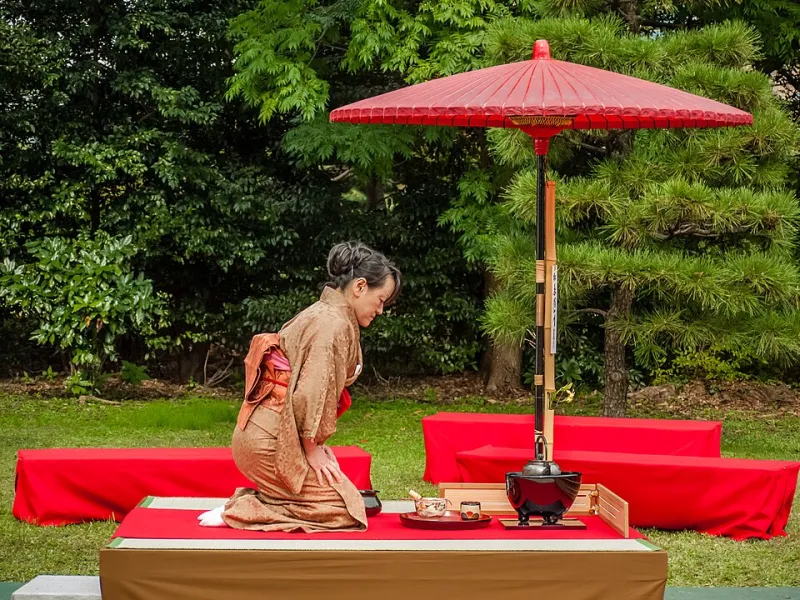
In the Japanese tea gathering, the deepest exchange often begins once the formal ceremony concludes — in the unhurried moments after. American companies, obsessed with agenda efficiency, routinely optimize away the very minutes where loyalty is actually formed.

Trust the Chef: What Omakase Teaches American Managers About Surrendering Control
Workplace Culture

Trust the Chef: What Omakase Teaches American Managers About Surrendering Control

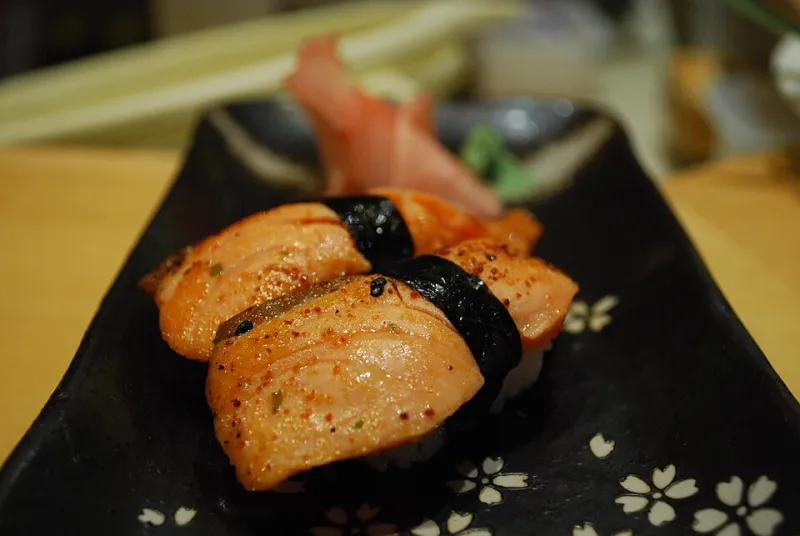
At a sushi counter, the customer utters a single word — omakase — and places the evening entirely in the chef's hands. American managers could learn from that act of surrender, trading surveillance dashboards for the deeper loyalty that only trust can build.

When the Room Goes Quiet: The Negotiation Discipline American Executives Keep Refusing to Learn
Strategy & Leadership

When the Room Goes Quiet: The Negotiation Discipline American Executives Keep Refusing to Learn

In Tokyo deal rooms, a pause is not an awkward gap—it is a deliberate instrument. American negotiators who learn to hold their silence may find it does more work than any slide deck.

Before the Terms, the Tea: How Deliberate Delay Is Quietly Changing the American Deal
Strategy & Leadership

Before the Terms, the Tea: How Deliberate Delay Is Quietly Changing the American Deal

A growing number of American negotiators are borrowing a page from Japanese hospitality, inserting ritual pauses into high-stakes talks before any numbers are exchanged. The results suggest that what happens in the room before the negotiation may matter more than the preparation that happens before the room.

The Service Nobody Sees: How Invisible Excellence Became America's Quiet Competitive Edge
Workplace Culture

The Service Nobody Sees: How Invisible Excellence Became America's Quiet Competitive Edge

Omotenashi, the Japanese ethos of wholehearted hospitality, is often reduced to polished greetings and bowing staff. Its deeper lesson lies in the unseen work — the anticipatory care that happens when no customer, manager, or audit is watching. A growing number of American companies are building their reputations there first.

The Ledger That Outlives Its Owners: Inside the Shinise Model of Client Relationships
Strategy & Leadership

The Ledger That Outlives Its Owners: Inside the Shinise Model of Client Relationships

Japan's shinise—shops that have served the same families and institutions for a hundred years or more—treat a client account not as a line item but as an inheritance. American B2B firms obsessed with churn and acquisition costs have much to learn from a model where the relationship, not the transaction, is the product.

Stop Selling Hours: The Quiet Case for Pricing Like a Craftsman
Workplace Culture

Stop Selling Hours: The Quiet Case for Pricing Like a Craftsman

Japanese artisans rarely charge by the hour; they price the finished work and the honor of the commission. For American agencies, studios, and trades watching billable-hour culture erode both margins and morale, the old workshop model offers a surprisingly practical alternative.

Stewardship Over Stock Options: The Edo-Era Answer to America's Succession Crisis
Strategy & Leadership

Stewardship Over Stock Options: The Edo-Era Answer to America's Succession Crisis

As trillions of dollars change hands between retiring Baby Boomer owners and their successors, the majority of American family businesses will not survive the second generation. The multi-century workshops of old Tokyo suggest the problem is not the plan — it is what we believe ownership is for.

Watch, Then Do: Why the Apprentice's Path Is America's Best Answer to the Skills Shortage
Workplace Culture

Watch, Then Do: Why the Apprentice's Path Is America's Best Answer to the Skills Shortage

Japan's centuries-old apprenticeship model builds mastery through patient observation and repetition — a stark contrast to America's rush to credential and deploy. As the skilled-labor shortage deepens, a growing number of US companies are discovering that the slow way of training may be the only sustainable one.

Golden Seams: The Case for Repairing the Deals America Throws Away
Strategy & Leadership

Golden Seams: The Case for Repairing the Deals America Throws Away

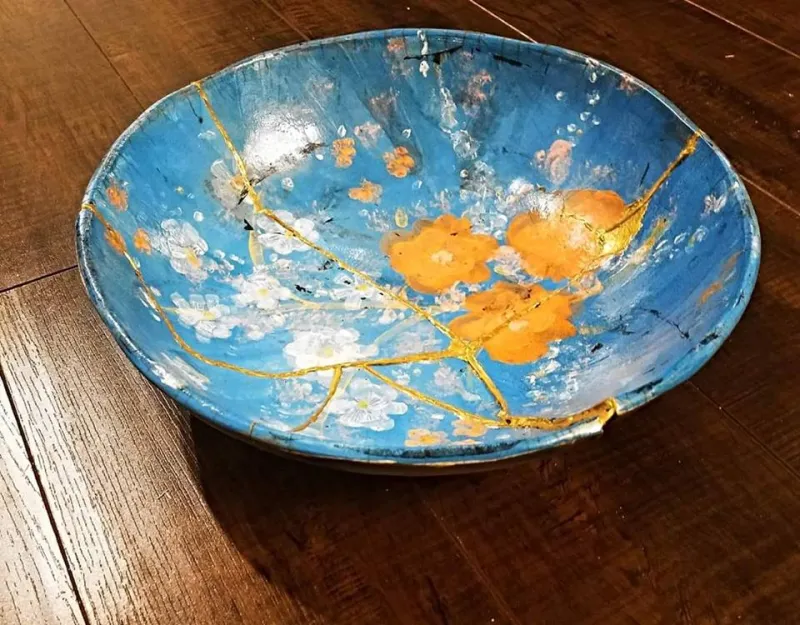
American business treats a ruptured partnership the way we treat a chipped mug: out of sight, out of mind. Kintsugi, the Japanese art of mending pottery with gold, suggests a different instinct — and a disciplined framework for deciding which broken deals deserve to be rebuilt in plain view.

The Inn That Never Forgets: Why Subscription Software Needs a Ryokan's Memory
Workplace Culture

The Inn That Never Forgets: Why Subscription Software Needs a Ryokan's Memory

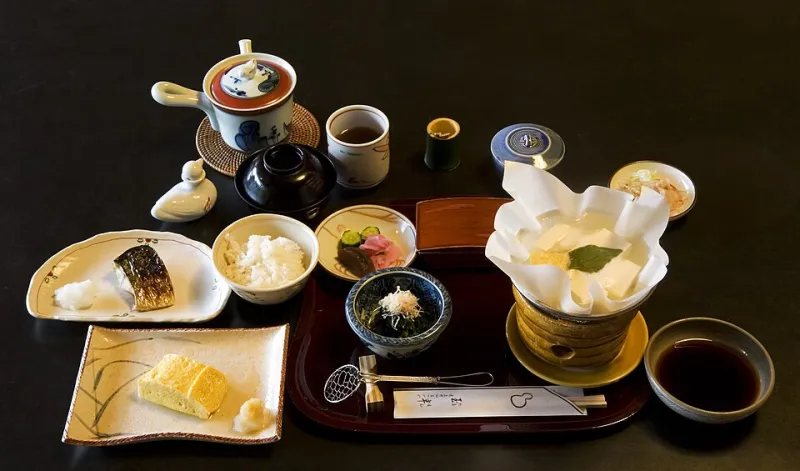
A 400-year-old ryokan in the Japanese countryside has never needed a churn model, because it has never given a guest a reason to leave. This piece argues that anticipatory hospitality — not feature velocity — is the loyalty engine American SaaS companies keep overlooking.

Decisions or Announcements? A Diagnostic for Leaders Who Want Real Buy-In
Strategy & Leadership

Decisions or Announcements? A Diagnostic for Leaders Who Want Real Buy-In

Many American organizations mistake the moment a decision is announced for the moment it is made. Drawing on the Japanese practice of nemawashi, this audit helps leaders measure whether the groundwork for alignment actually happened — and what it costs when it didn't.

Strategy & Leadership

From First Purchase to Familiar Face: Five Japanese Service Rituals American Businesses Can Borrow

Japanese commerce treats every transaction as a relationship in miniature, governed by rituals of welcome, care, and farewell. Here is how five of those traditions translate into concrete loyalty-building practices for American small businesses, retailers, and service firms.

Designing the Pause: How Japanese 'Ma' Is Reshaping the Way American Companies Think About Space
Workplace Culture

Designing the Pause: How Japanese 'Ma' Is Reshaping the Way American Companies Think About Space

In Japanese aesthetics, emptiness is not absence — it is the element that gives everything else meaning. American businesses are beginning to discover that the same principle applies to calendars, brand design, and product strategy.

Wrapped in Intent: Five Japanese Packaging Traditions Reshaping the American Unboxing Experience
Workplace Culture

Wrapped in Intent: Five Japanese Packaging Traditions Reshaping the American Unboxing Experience

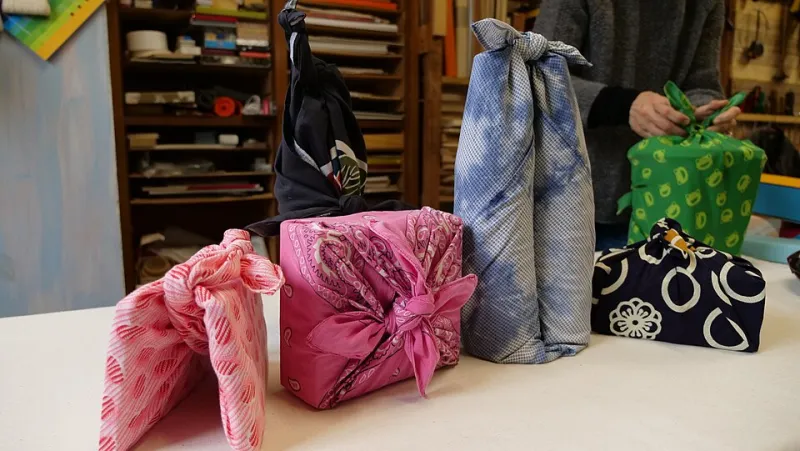
American shoppers are noticing something different in their deliveries: less plastic, more intention. From furoshiki wrapping to the quiet discipline of minimal kraft, Japanese packaging traditions are changing how US brands present their products — and what customers will pay for them.

Built to Outlast the Founder: Lessons from Kyoto's Oldest Workshops
Strategy & Leadership

Built to Outlast the Founder: Lessons from Kyoto's Oldest Workshops

Most American companies won't see their tenth birthday. In Kyoto, businesses routinely celebrate their tenth generation. This piece examines the operational habits behind Japan's shinise and what US founders can realistically borrow.

Before the Meeting, the Consensus: Japanese Etiquette Quietly Rewiring the American Workplace
Workplace Culture

Before the Meeting, the Consensus: Japanese Etiquette Quietly Rewiring the American Workplace

From nemawashi consensus-building to omotenashi hospitality, Japanese business customs are finding unexpected traction in US boardrooms and startups alike. We examine five practices changing how Americans meet, greet, and decide — and how to adopt them without awkwardness.

Four Centuries of Patience: Why the Slowest Strategy Is Winning American Business
Strategy & Leadership

Four Centuries of Patience: Why the Slowest Strategy Is Winning American Business

American commerce rewards the sprint; Japanese craft traditions reward the horizon. As US firms from Detroit to Silicon Valley rediscover kaizen and the shokunin mindset, the case for patience as a competitive weapon has never been stronger. Here is what 400 years of mastery can teach the modern American enterprise.