One Encounter, One Chance: The Tea Room Lesson American Loyalty Programs Forgot
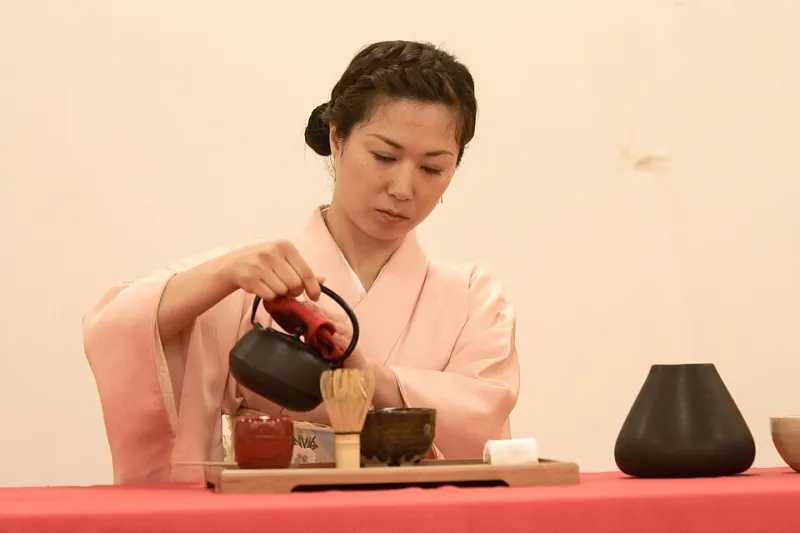
Photo: Georges Seguin (Okki), CC BY-SA 3.0, via Wikimedia Commons
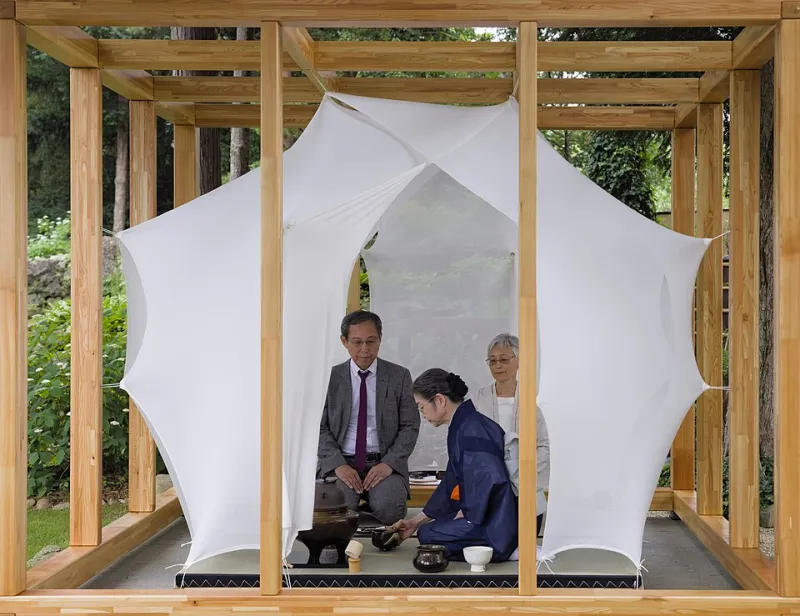
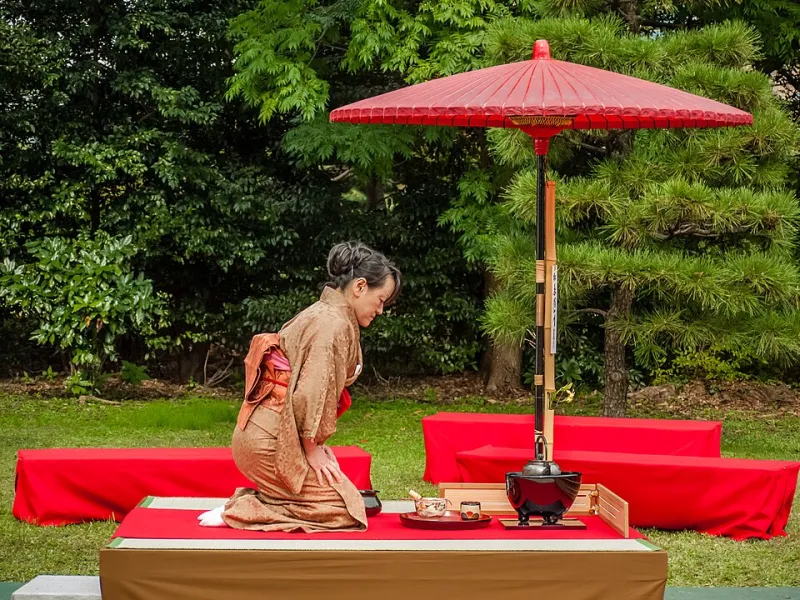
Somewhere in a tea room in Kyoto, a host will spend forty-five minutes preparing a single bowl of tea for a guest she may have served dozens of times before. Nothing about the ritual is accelerated by familiarity. If anything, the opposite is true: the more senior the relationship, the more deliberate the pace.
American business operates on an inverted logic. We treat the first transaction as the expensive one—onboarding, welcome sequences, white-glove attention—and the tenth as the cheap one. Repeat customers get the fast lane, the self-serve portal, the automated renewal. Familiarity, in our systems, is a signal to spend less effort.
The tea tradition would call that a category error.
The Principle Behind the Bowl
The phrase ichigo ichie is often translated as "one time, one meeting," and it originated in the sixteenth-century tea writings of Sen no Rikyū's lineage. Its meaning is deceptively simple: this gathering, between these people, in this moment, will never occur again in precisely this form. Even if the same host serves the same guest tomorrow, tomorrow is a different encounter, and it deserves its own full attention.
For a culture raised on lifetime value dashboards and cohort retention curves, this can sound almost wasteful. Why treat the two-hundredth visit with the care of the first? Because, the tea master would answer, the two-hundredth visit is not a repeat of anything. It is its own unrepeatable event, and the customer can feel the difference between a business that knows this and one that doesn't.
Where the Fast Lane Fails
Consider the patterns American customers know by heart. The airline that rolls out the red carpet for the new flyer chasing status, then treats the million-miler as a line item. The local coffee chain where the app knows your order but no human being does. The B2B vendor that assigns a dedicated success manager for the sales cycle, then hands the account to a ticketing queue the moment the contract is signed.
None of these are failures of strategy in the conventional sense. They are failures of attention. The metrics that govern them—cost per interaction, handle time, automation rate—are blind to the thing that actually keeps a customer for twenty years: the felt sense that this company is fully present when you show up.
There is a quiet counter-movement worth studying. A handful of independent hardware stores and regional banks in the American Midwest have made a practice of doing the opposite of what efficiency would suggest—walking the decade-long customer to the aisle personally rather than pointing, calling instead of emailing, adding time to long relationships rather than subtracting it. Their growth is slower and their margins are harder won, but their retention is the kind that shows up in obituaries rather than churn reports.
Slowing Down on Purpose
What would it look like to practice ichigo ichie operationally? A few starting points:
Audit your familiarity penalty. Map what happens to service quality as a customer ages in your system. In most companies, effort decays with tenure. Reverse that curve for your most valuable accounts and see what it costs—you may find the delta is smaller than the churn it prevents.
Give the repeat encounter its own design. A first visit gets onboarding; a hundredth visit gets nothing but habit. Design something for the hundredth: a personal note, a check-in that isn't a upsell, a question about how the last year actually went.
Measure presence, not just process. Add one metric that captures whether customers feel known—not their data, but them. Net promoter scores approximate this badly. A better proxy: could the person serving them describe their situation without looking at a screen?
The Long Arithmetic of Patience
The tea ceremony takes longer than the drink requires. That surplus of time is not inefficiency; it is the entire product. The guest isn't paying for tea—tea is cheap. The guest is receiving the host's undivided, unhurried attention, and the ritual exists to guarantee it can't be rushed.
American business could stand to admit the same thing about its best customers. They don't stay for the loyalty points. They stay because, in a marketplace of automated everything, one company still treats every encounter—especially the five-hundredth one—as the only one that matters.
One time, one meeting. The arithmetic of a lifetime account is built from exactly that.