The Ledger That Outlives Its Owners: Inside the Shinise Model of Client Relationships

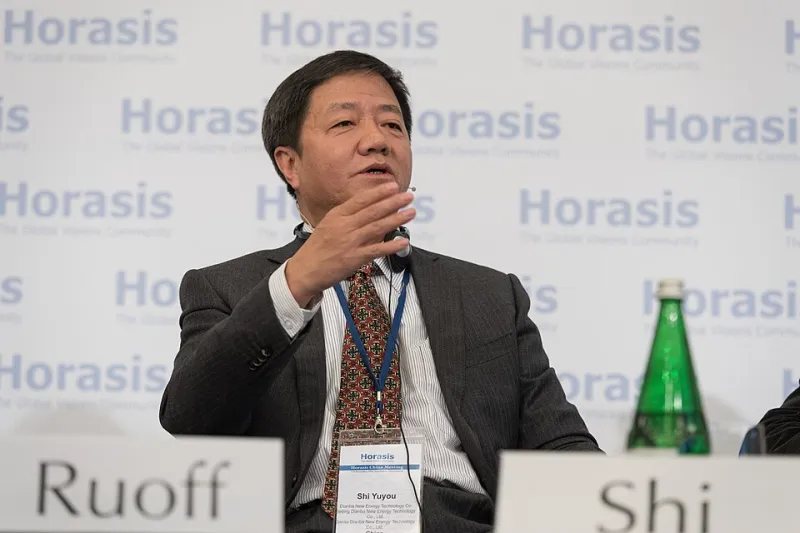
Photo: Mstyslav Chernov/Unframe/unframe.com, CC BY-SA 3.0, via Wikimedia Commons
Somewhere in a Kyoto backstreet, a kitchen-supply house is preparing an order it has filled every November for four generations. The restaurant down the street changed hands twice. The chef who placed the original order is long gone. Nobody at the supply house considers this a new customer. It is, in the truest sense, the same customer—and the ledger reflects a relationship measured in decades, not quarters.
This is the world of the shinise: Japanese firms, often centuries old, whose longevity rests on an almost alien premise to American business. A client relationship is not owned by a salesperson. It is owned by the company, maintained like a garden, and passed down intact to whoever inherits the desk.
For US executives weary of the churn treadmill—where a 15% annual logo loss is celebrated as 'good retention'—the shinise model is not nostalgia. It is a different operating system for B2B relationships, and parts of it can be installed here.
The Client Is Registered, Not Won
Many long-lived Japanese firms maintain formal registries of the households, restaurants, temples, and institutions they serve. Entry into the registry is a small ceremony. It signals that the firm now carries an obligation to the client that outlives any individual employee.
Contrast this with the American CRM, where a 'contact' is a record attached to a quota-bearing rep. When the rep leaves, the relationship often leaves with them—a vulnerability every US sales leader knows by the scar tissue. In the shinise model, the company holds the relationship; the salesperson merely tends it.
Some American firms are already groping toward this. Industrial distributors in the Midwest have begun assigning 'house accounts' that no individual rep owns, precisely to survive turnover. The shinise lesson is to go further: make the handoff a ritual, not an email thread. Introduce the successor personally. Walk them through the client's history the way a sushi chef walks an apprentice through the day's fish.
Lifetime Value, Measured in Generations
American B2B math is built around CAC payback windows and net revenue retention. The horizon is three to five years because that is roughly the tenure of the people doing the measuring.
Shinise arithmetic runs longer. A supplier of surgical instruments in Osaka might have served the same hospital since before the war. The firm prices not to maximize any single contract but to remain the obvious, trusted choice for the next fifty years. That changes everything: the instinct to squeeze margin in a renegotiation, the temptation to upsell aggressively, the reflex to treat a slow quarter as license to neglect accounts.
A concrete American example: regional food-service distributors that supply independent restaurants. Chains get the volume; independents get the loyalty. The distributors that survive downturns are typically those that kept delivering to the 12-table bistro through the recession, extending terms without being asked. When the bistro expands to three locations, there is no RFP. There is a phone call.
The Seasonal Rhythm of Service
Shinise relationships are kept warm by cadence, not campaigns. Deliveries follow the calendar—seasonal goods, festival items, year-end gifts. The client never has to remember the supplier exists; the supplier's arrival marks the season.
American B2B firms have the machinery for this—QBRs, renewal calendars, marketing automation—but it tends to fire on the seller's clock, not the client's. The shinise inversion is simple: build your touchpoints around the client's year. For an accounting firm, that might mean a tax-season planning packet arriving in December, unasked. For a manufacturer's rep, a mid-summer plant walkthrough timed to the client's slow season. The gesture says: we are thinking about your year, not our funnel.
Three Practices to Borrow
1. Institute a formal account inheritance. When a relationship owner departs, treat the transition as a board-level event for key accounts. The client should meet the new owner before they need them.
2. Separate the relationship from the revenue conversation. Assign someone—call them an account steward, not an account executive—whose only metric is continuity and client health, with no quota attached.
3. Build a client annal. Not a CRM entry, but a narrative history: the deals, the near-misses, the favors, the names. New employees should read it the way new partners at old law firms read the firm's history.
The Economics of Staying
The skeptic's objection is that century-long retention is a luxury of small, stable markets. Yet the underlying economics hold anywhere: the cost of keeping a client who trusts you is a fraction of winning a stranger, and trust compounds like interest. A firm that loses 10% of its clients annually must rebuild a tenth of its business every year before growing an inch. A firm that loses almost none spends that energy deepening instead.
Miyake 1819 exists on the belief that the oldest commercial wisdom is often the most modern competitive advantage. The shinise did not survive four hundred years by being lucky. They survived by deciding, early and structurally, that the client relationship was the asset—and then building every process, handoff, and habit around protecting it.
American suppliers do not need four centuries. They need one deliberate generation of treating retention as an inheritance, not a metric.